The Power Paradox: Why You Need Power to Change the World
Many leaders shy away from power, equating it with corruption. This article dissects the 'Power Paradox,' revealing why ethical influence is essential to drive change.

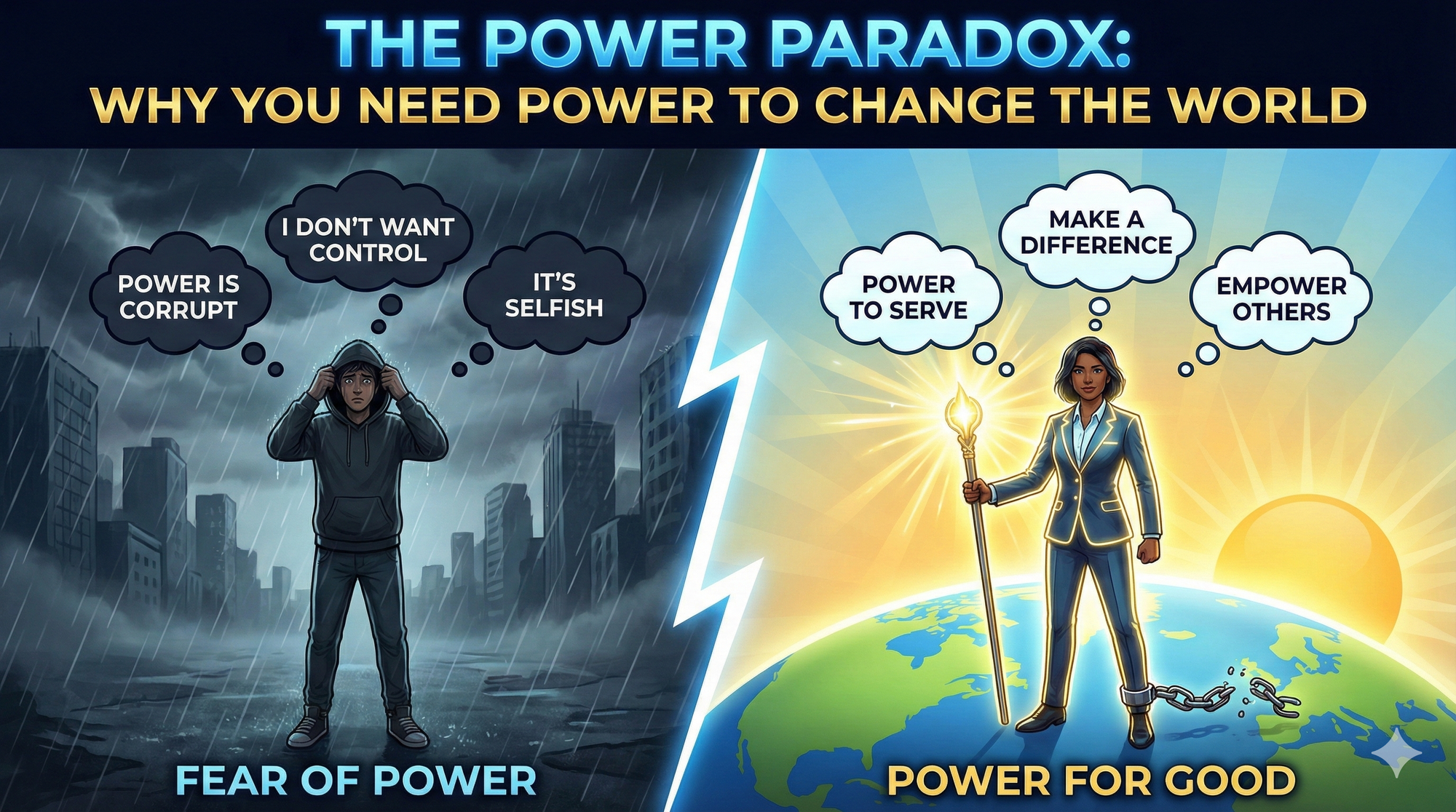
I. Introduction: The Uncomfortable Truth About Influence
Let's talk about power. Not the kind that corrupts, but the kind that creates. For many entrepreneurs and leaders, the word itself can feel…uncomfortable. We often carry a subtle, yet potent, limiting belief about power: that it's inherently negative, that seeking it makes us greedy, or that true impact comes from a place of pure, unadulterated altruism.
This paradox—the idea that you need power to effect significant change, yet often shy away from it—is a silent killer of ambition and impact. This article isn't about becoming a tyrant; it's about dissecting these limiting beliefs, understanding the true nature of influence, and embracing the power you need to genuinely change the world.
Why Leaders Avoid Seeking Power: A Direct Answer
Leaders often avoid seeking power due to deeply ingrained limiting beliefs that equate power with corruption, selfishness, or a loss of authenticity. These beliefs, often reinforced by societal narratives, create an internal resistance to embracing influence, even when it's essential for achieving their vision and driving meaningful change. By challenging these subconscious narratives and understanding power as a neutral tool for impact, leaders can overcome their aversion and strategically cultivate the influence necessary to lead effectively and transform their environments.
II. The Societal Hang-Ups and Personal Blocks Around Power
Our collective consciousness, and often our personal histories, are riddled with cautionary tales about power. We see the abuses, the corruption, the ego-driven decisions, and we internalize a powerful message: avoid power. This creates a significant hurdle for anyone aspiring to lead or innovate. As Dr. Jeff Pfeffer, a titan in the field and a professor at Stanford GSB, illuminates in his work on "Paths to Power," many intelligent, capable individuals actively shy away from the very thing that would enable them to make their biggest contributions. It's a classic limiting belief: the tool itself is seen as inherently flawed, rather than neutral.
Common Limiting Beliefs About Power
These are the whispers that keep us from stepping into our full leadership potential:
- "Power corrupts; absolute power corrupts absolutely": While a valid warning, this becomes a limiting belief when it prevents us from seeking any power, even for noble causes.
- "I don't want to be seen as ambitious/political": This fear of perception can lead to a reluctance to engage in necessary strategic maneuvering or self-promotion, leaving a vacuum for others to fill.
- "True leaders serve, they don't dominate": This belief, while noble, can be twisted into an aversion to making tough decisions or asserting authority when required.
- "If I gain power, I'll lose my authenticity/friends": A fear that influence comes at the cost of personal integrity or relationships.
- "I'm not powerful enough to make a difference": This is a self-defeating belief that prevents individuals from even attempting to exert influence, regardless of their actual capabilities.
III. Embracing Influence: Actionable Strategies for the Ethical Leader
Overcoming these limiting beliefs about power isn't about becoming Machiavellian; it's about becoming effective. It's about understanding that power, like money, is a tool. How you wield it defines its impact. This is critical work within your Inner Arena, where you redefine your relationship with influence.
1. Redefine Power: From Domination to Impact
Shift your perception. Instead of viewing power as control over others, see it as the capacity to achieve desired outcomes. It's the ability to mobilize resources, inspire action, and overcome obstacles to bring your vision to life. This reframe is foundational. If you want to change the world, you can't do anything without power. This is a core tenet I learned and observed, particularly at Stanford GSB.
2. Study the Dynamics of Influence
Power isn't magic; it's a skill. Just as you study market trends or financial models, study the dynamics of influence. Read books like Dr. Jeff Pfeffer's Power: Why Some People Have It—and Others Don't. Understand the various sources of power—expertise, networks, resources, reputation—and how they can be ethically cultivated. This isn't about manipulation; it's about strategic effectiveness.
3. Practice Assertiveness, Not Aggression
Many confuse assertiveness with aggression. Assertiveness is about clearly communicating your needs, boundaries, and vision while respecting others. It's about confidently advocating for your ideas and leading discussions. Start small: voice your opinion in a meeting, take the lead on a project, or negotiate for what you believe is fair. Each act of assertiveness builds your "power muscle."
4. Build Strategic Alliances and Networks
Power rarely resides in isolation. It's often distributed and flows through relationships. Actively build and nurture a diverse network of allies, mentors, and collaborators. These relationships provide support, information, and leverage. Remember, your Narrative -> Emotion -> Action framework applies here too: a strong network reinforces a narrative of capability, leading to confident action.
5. Embrace the "Why": Connect Power to Purpose
To counter the fear of corruption, constantly connect your pursuit of power to your deepest purpose. Why do you want to change the world? What impact do you want to make? When power is anchored in a clear, ethical "why," it becomes a force for good. This conscious alignment helps you navigate the ethical complexities and ensures your influence serves a higher vision.
IV. Conclusion: The Ethical Imperative of Power
Overcoming limiting beliefs about power is not a luxury; it's an imperative for anyone who genuinely seeks to make a significant impact. By redefining power, studying its dynamics, practicing assertiveness, building strategic alliances, and anchoring your influence in purpose, you can shed the discomfort and embrace the capacity to lead, innovate, and transform. The world needs ethical leaders willing to wield power for good. Are you ready to step into yours?
Why I Wrote This
My time at Stanford GSB, particularly engaging with Dr. Jeff Pfeffer's work, profoundly shifted my perspective on power. I saw how many brilliant, well-intentioned individuals—myself included at times—unconsciously limited their impact by shying away from influence. This article is a direct challenge to that pervasive limiting belief, drawing on academic insights and real-world observations to empower leaders to embrace power as a necessary, and often noble, tool for change.
Recommended Resources
To truly master the art and science of power and influence, these resources are indispensable:
- Power: Why Some People Have It—and Others Don't by Jeffrey Pfeffer: An essential read from a Stanford GSB professor, this book demystifies power, offering a pragmatic and often provocative look at how it's acquired and used in organizations. Amazon Link
- Influence: The Psychology of Persuasion by Robert Cialdini: A classic in the field, Cialdini breaks down the six universal principles of influence, providing actionable insights for ethical persuasion. Amazon Link
- The 48 Laws of Power by Robert Greene: While controversial, this book offers a stark, historical perspective on power dynamics, providing valuable lessons (both positive and negative) on strategy and human nature. Amazon Link
- Dare to Lead by Brené Brown: Brown offers a powerful counterpoint, exploring how vulnerability, courage, and empathy are essential components of true leadership and influence, redefining what it means to be powerful. Amazon Link