Unlocking Your Potential: Overcoming Limiting Beliefs About Self-Worth
Feeling 'not good enough' kills entrepreneurial dreams. This guide helps you dismantle subconscious beliefs about self-worth, empowering you to unlock your true potential.

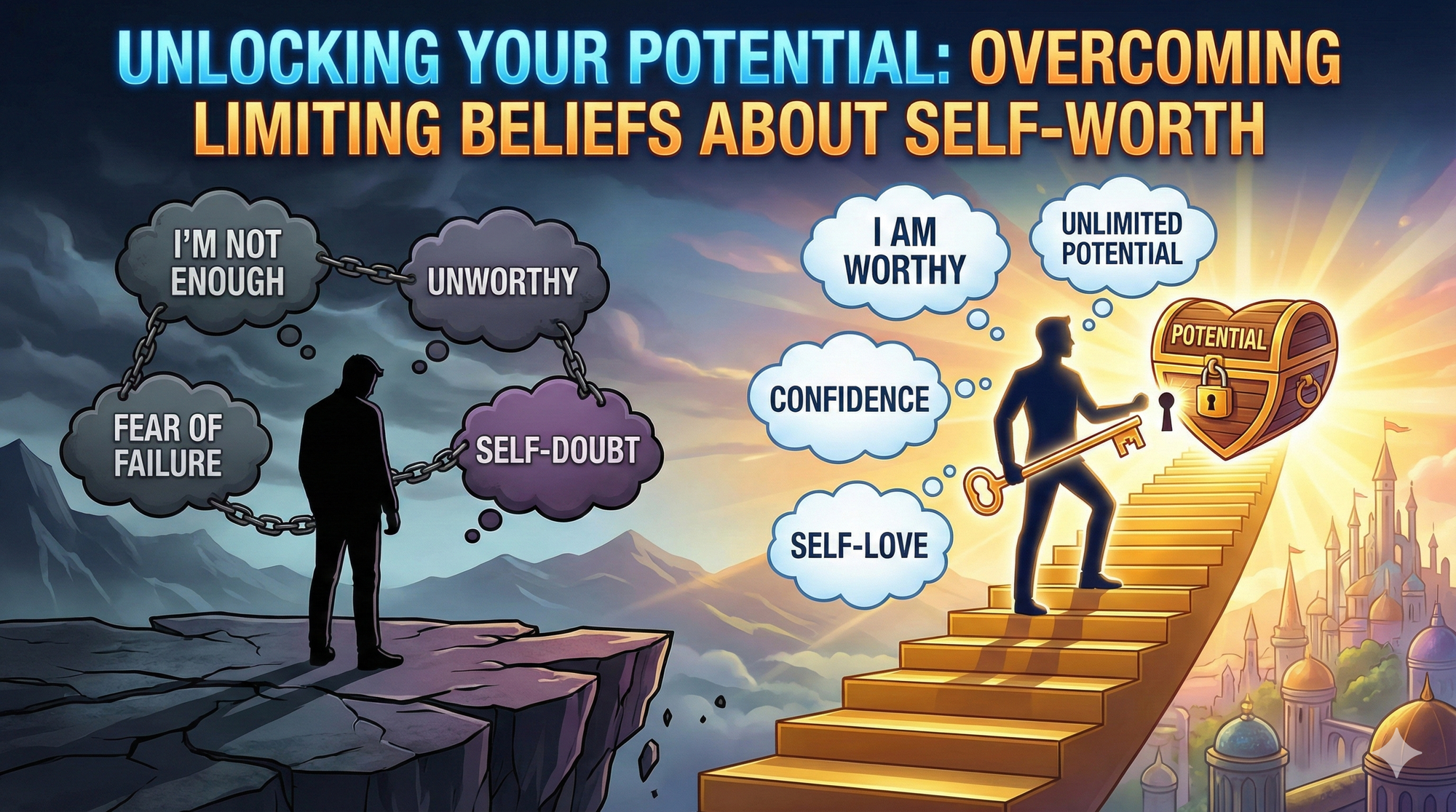
I. Introduction: The Silent Saboteur of Your Potential
In the demanding, often brutal, world of entrepreneurship, we’re constantly battling external challenges. But what if the most insidious adversary isn't out there, but in here? I’m talking about limiting beliefs about self-worth. These aren't just fleeting doubts; they’re deeply ingrained convictions, often subconscious, that manifest as feelings of inadequacy, imposter syndrome, or that persistent, soul-crushing whisper: "I'm not good enough."
They can sabotage ventures before they even begin, leading to procrastination, missed opportunities, and a reluctance to embrace your full, undeniable potential.
This article isn't just going to shine a light on these pervasive beliefs; we're going to arm you with actionable strategies to overcome that feeling of "not good enough" and, ultimately, empower you to unlock the true capabilities that are already within you.
Why "Not Good Enough" Kills Entrepreneurial Dreams: A Direct Answer
That nagging feeling of "not good enough" kills entrepreneurial dreams because it creates a fundamental internal conflict. If you subconsciously believe you lack worth, you'll either avoid taking necessary risks, self-sabotage when success is imminent, or constantly underprice your value. This internal narrative, a core limiting belief, prevents you from fully committing to your vision, charging what you're worth, and embracing the inevitable challenges of building something great. By dismantling these beliefs, you align your inner world with your outer ambitions, freeing yourself to pursue and achieve the success you truly deserve.
II. The Roots of Self-Worth Beliefs: Where Did This Come From?
Our sense of self-worth isn't born; it's built. It's a complex tapestry woven from childhood experiences, societal messages, and every perceived success and failure. For entrepreneurs, this tapestry can be particularly frayed. We’re constantly putting ourselves out there, facing rejection, and dealing with uncertainty. If your foundational beliefs about your own value are shaky, these external pressures can easily trigger that "not good enough" narrative. This is a critical piece of your Inner Arena work, as these beliefs often masquerade as rationalizations or protective mechanisms.
Common Limiting Beliefs That Undermine Self-Worth
These are the whispers that keep brilliant minds playing small:
- "I'm not smart/talented/experienced enough": This one is a classic. It leads to analysis paralysis, procrastination, and a reluctance to launch or scale, regardless of objective qualifications.
- "My ideas aren't original/valuable enough": This stifles innovation and prevents you from sharing your unique perspective, leaving a void that only you can fill.
- "I don't deserve success/happiness": This insidious belief can lead to self-sabotage just as you're on the cusp of a breakthrough, or an inability to truly enjoy your achievements.
- "What will people think of me?": The fear of judgment can paralyze action, keeping you in your comfort zone and preventing you from taking necessary risks. This often ties into Imposter Syndrome vs. Limiting Beliefs.
- "I must be perfect to be loved/accepted": This drives an unhealthy obsession with flawlessness, leading to burnout and an inability to embrace the messy, iterative process of entrepreneurship.
III. Cultivating Unshakeable Self-Worth: Your Action Plan
Overcoming these limiting beliefs isn't about some magic pill; it's about intentional, consistent work within your Inner Arena. It demands a conscious effort to challenge those old narratives and actively cultivate new, empowering ones. This isn't just a side project; it's a core part of stepping into your full power.
1. Uncover Your Core Self-Worth Narratives
When do you feel most inadequate? What thoughts arise when you consider taking a significant risk in your business? What are your deepest fears about success or failure? Journaling, meditation, or even guided self-inquiry can help pull these subconscious beliefs into the light. This process of deep self-reflection is fundamental to understanding and then overcoming that feeling of "not good enough."
2. Challenge the Evidence (The REBT Approach)
Once you've got them in your sights, put those beliefs on trial. Is there any real, concrete evidence to back them up? More often than not, they're built on shaky ground: old stories, societal conditioning, or a few bad experiences, not universal truths.
If you're convinced "I'm not smart enough," then actively seek out examples of your intelligence, your problem-solving skills, and your past successes. This process of disputation is central to Rational Emotive Behavioral Therapy (REBT), and it's a powerful tool for any entrepreneur.
3. Practice Unconditional Self-Acceptance (USA)
This is a game-changer. As taught in REBT, Unconditional Self-Acceptance (USA) means accepting yourself as a fallible human being who makes mistakes, without globally rating your worth based on performance or external validation. You are inherently worthy, simply because you exist. Your value isn't tied to your last win or loss. This means acknowledging your imperfections and failures without harsh self-judgment. This is the foundation of true resilience.
4. Cultivate Self-Compassion (The Kristin Neff Way)
Beyond challenging negative thoughts, cultivating self-compassion is vital for building lasting self-worth. This isn't self-pity; it's treating yourself with the same kindness, understanding, and care you would offer a good friend facing a similar struggle. Research by Dr. Kristin Neff, a leading expert in self-compassion, highlights its three core components: self-kindness, common humanity, and mindfulness. Practicing self-compassion builds resilience, enabling you to bounce back from setbacks more effectively. Instead of dwelling on mistakes, self-compassion allows for a more constructive approach to learning and growth. Learn more at Self-Compassion.org.
5. Take Aligned Action & Embrace Imperfection
Belief transformation isn't just an intellectual exercise; it demands action. Start small, but start consistently. Take steps that actually align with your new, empowering beliefs. This often means stepping outside your comfort zone, taking calculated risks, and embracing imperfection. Each successful action, no matter how minor, serves as concrete evidence against your limiting beliefs, gradually building a new narrative of capability and self-efficacy. This is how you conquer Limiting Beliefs About Failure and Success.
Conclusion: Your Unstoppable Worth
Overcoming limiting beliefs about self-worth is a profound journey of self-discovery and intentional transformation. By consciously identifying, challenging, and then actively reframing these deeply ingrained narratives, you, as an entrepreneur, can unlock your full potential. This isn't about some magical attraction of wealth or success; it's about systematically removing the internal barriers that have prevented you from taking the necessary, powerful actions to create it. Embrace the "Inner Arena" work, cultivate an unshakeable sense of your own worth, and step boldly into the impact you are absolutely capable of making.
Why I Wrote This
My journey, particularly through the intense environments and entrepreneurship, has consistently shown me that the most formidable barriers are often internal. I've seen brilliant minds held back not by market forces, but by their own subconscious beliefs about their value and capabilities. This article is a distillation of those observations, combined with insights from leading thinkers in psychology and personal development, designed to equip you with the tools to break free and truly thrive. Because your worth isn't up for debate; it's inherent. It's time you started acting like it.
Recommended Resources
For those ready to dive deeper and continue their journey of self-upgrading, these resources offer profound insights and practical tools:
- Daring Greatly: How the Courage to Be Vulnerable Transforms the Way We Live, Love, Parent, and Lead by Brené Brown: Explores vulnerability, courage, worthiness, and shame. A powerful read for anyone looking to embrace their authentic self. Amazon Link
- Self-Compassion: The Proven Power of Being Kind to Yourself by Kristin Neff: Offers a foundational understanding of self-compassion, with practical exercises to cultivate inner peace and resilience. Amazon Link
- Mindset: The New Psychology of Success by Carol S. Dweck: Explores the profound impact of fixed vs. growth mindsets on personal abilities and achievement. Essential for understanding how beliefs shape potential. Amazon Link
- Self-Compassion.org: The official website of Dr. Kristin Neff, offering free resources, guided meditations, and further information on self-compassion. Visit Website